
Why we like Craft CMS
A CMS is part of the brand system. Craft earns its keep by fitting the content model to the client, not the client to the template.
 Words:
 We like Craft CMS because it respects the shape of the work.
That sounds simple, but it isn’t how every CMS behaves. A lot of content management systems arrive with strong opinions about what a page is, what a post is, how content should be structured and how much control an editor should have.
Sometimes that’s fine. Sometimes a business only needs a basic publishing setup.
But for brands with layered products and a marketing team that wants to move without breaking the site, the CMS matters. It becomes part of the brand system.
Craft is good because it doesn’t force every project into the same mould.
It lets us build the content model around the client.
Content first
Craft describes its own approach clearly:
With Craft your content comes first. No more trying to make your content work within the confines of the CMS.
That’s one of the main reasons we like it.
Good websites are made of structured content: case studies, products, people, services and small reusable pieces that need to appear in more than one place.
If the CMS treats all of that as a loose blob of page content, the site becomes harder to manage over time.
Craft lets us define the right fields, relationships and entry types from the start. The client gets a control panel that matches the way their organisation thinks. The front end gets cleaner content to work with. The brand gets more consistency because the system isn’t relying on everyone remembering how to format things manually.
Unglamorous and useful.
It gives editors control without handing them chaos
The best CMS for a client gives the right people the right amount of control.
Craft is strong here because the authoring experience can be shaped carefully. Editors can update content and build flexible layouts without touching code. At the same time, the design system can protect the site from slowly falling apart.
That balance matters.
Too little flexibility and every update becomes a support ticket. Too much flexibility and the website becomes a scrapbook of one-off decisions. Craft gives us a good middle ground: structured where the brand needs consistency, flexible where the marketing team needs speed.
For clients, that means the site keeps moving after launch.
It plays nicely with serious design
Craft isn’t a theme-first CMS. That’s a compliment.
We can bring our own front end, build the templates properly, or use Craft headlessly through its GraphQL API when the project calls for it. Craft’s own feature set points to this flexibility: Twig templates for traditional builds, GraphQL for decoupled ones and a plugin framework for the rest.
That makes it a good fit for brand-led sites.
When the design has a point of view, the CMS should support it. Craft lets the design, content model and development approach line up instead of fighting each other.
This is especially important once a site goes beyond the brochure: campaign pages, product explainers, resource hubs or technical content that needs to be clear without becoming dry.
Craft can handle that without making the site feel like it was assembled from generic blocks.
Big brands use it for a reason
Craft isn’t a niche toy.
Craft says it has powered more than 150,000 sites, and its own homepage lists global brands including Netflix, adidas, IDEO, Stanford Research Park, Volkswagen and IKEA under “Trusted by top global brands.” Its “Created with Craft” showcase includes A24 Films, among others.
Those names matter less as a brag and more as a signal.
Large organisations tend to need the same things smaller ambitious brands need, just with more pressure: structured content, permissions and room for design quality.
Craft is built for that kind of work.
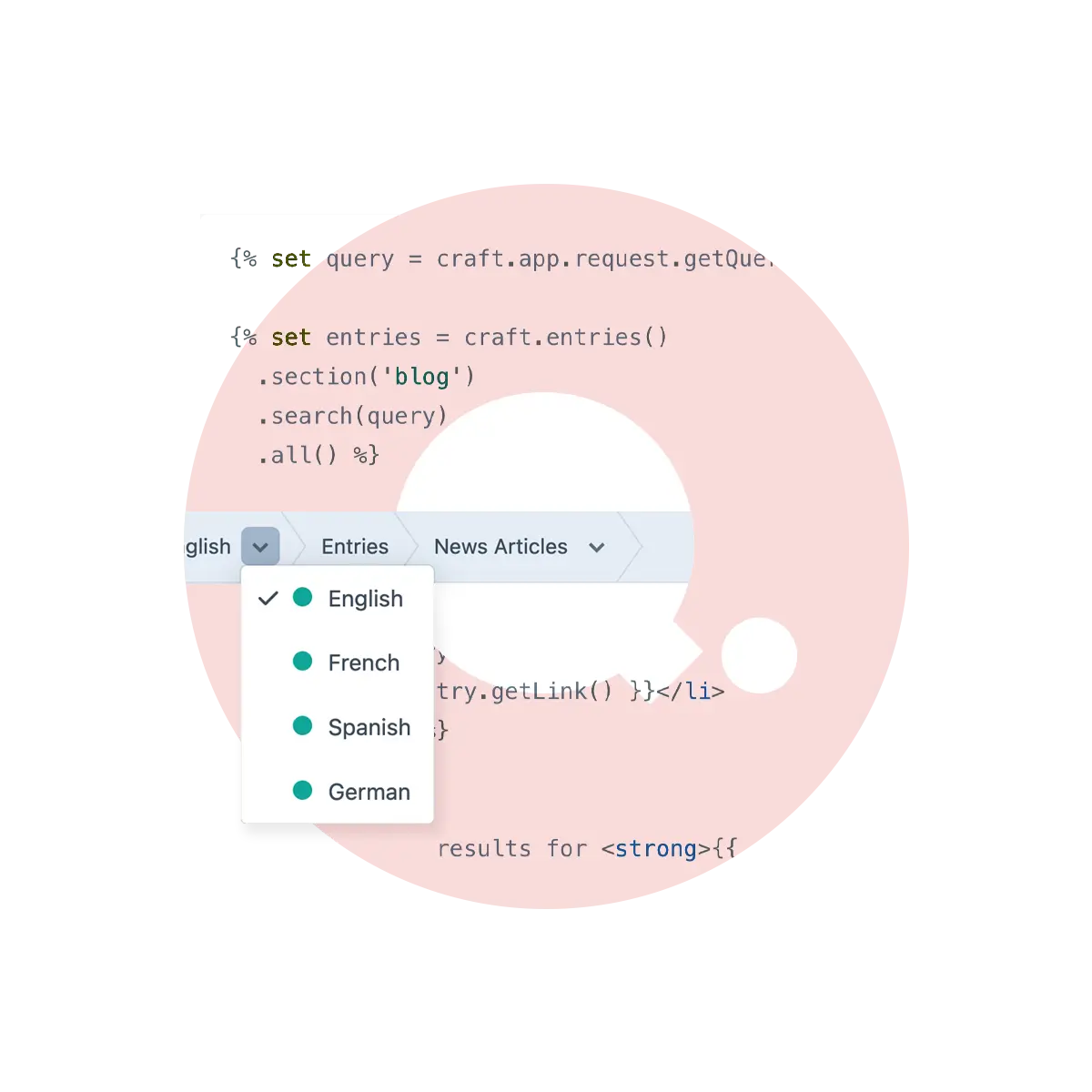
It’s secure and supported, with multi-site and localisation built in and a mature plugin ecosystem. It can be self-hosted, hosted through Craft Cloud or used in more custom architectures.
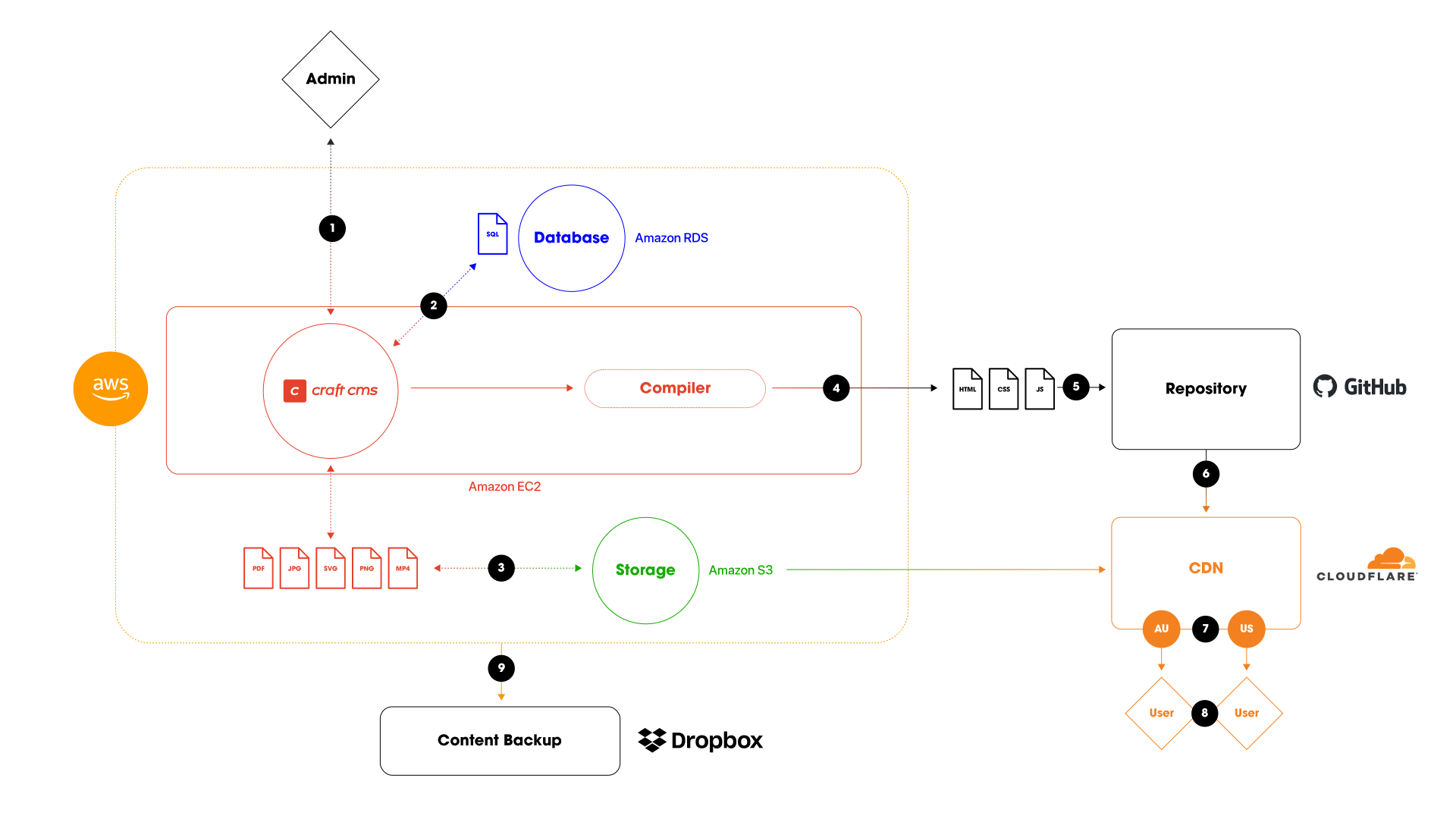
That flexibility is why agencies like it. It gives us room to build the right thing.
Why it works for Taguchi
Taguchi is exactly the kind of client where CMS choice matters.
The brand has history, technical credibility and a product built for marketers who care about detail. Looking better isn’t enough. The site has to keep the story clear and give the team a practical way to publish after launch.
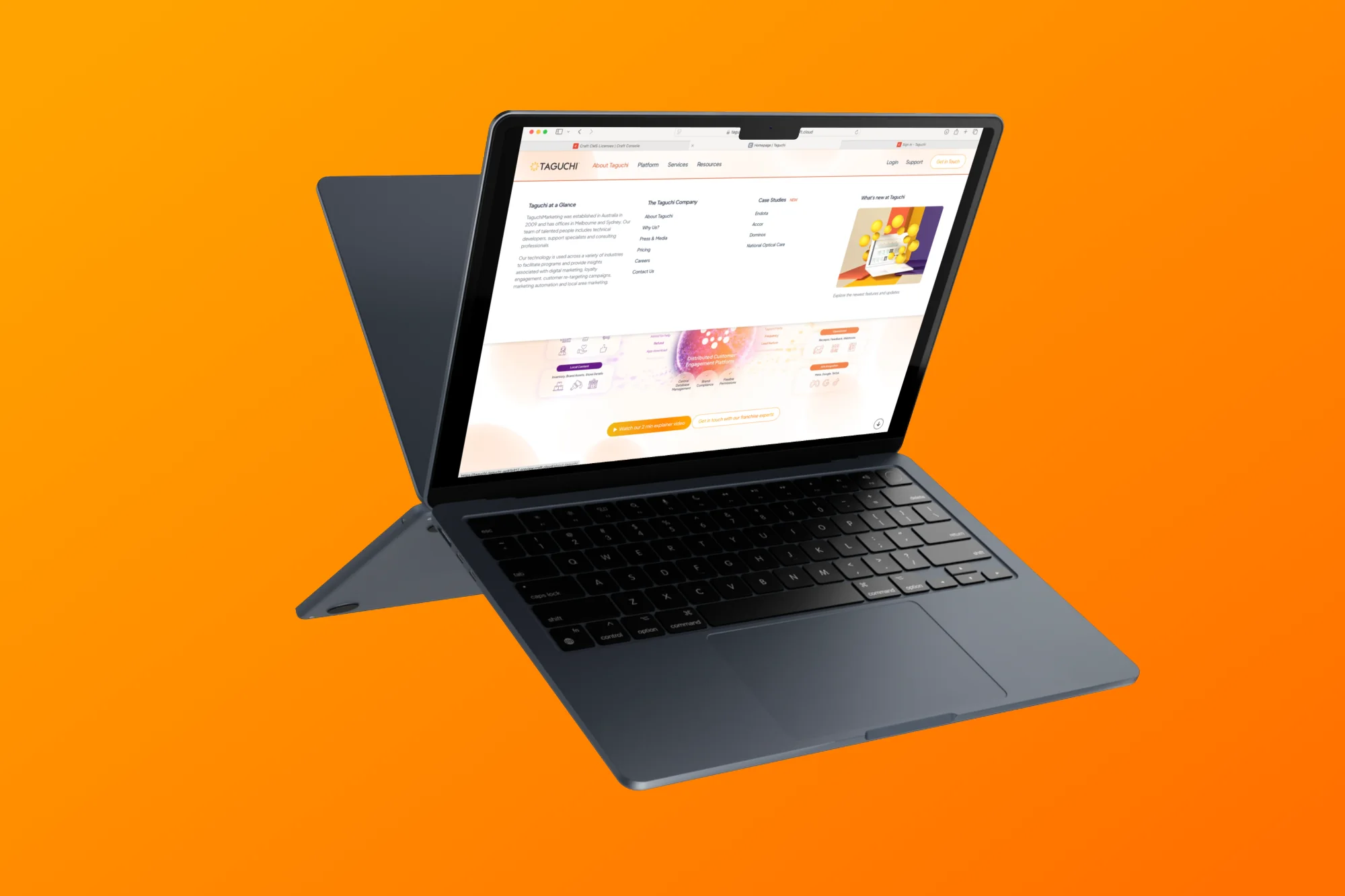
For Taguchi, Craft works because the content isn’t generic.
There are product ideas to explain and proof points to organise. A relaunch like that needs a CMS that can hold structure underneath a more confident visual system.
Craft gives us that structure.
It lets us design content types around the material itself, from product messaging to reusable brand components. The client can manage the site without rebuilding the design every time they publish, and the development team gets a clean architecture instead of a pile of page exceptions.
That’s the difference between a website that launches well and one that keeps working.
The hidden value of a good CMS
Most visitors will never know a site is running on Craft.
That’s fine. They shouldn’t have to.
The value is felt in other ways: pages that stay consistent, editors who aren’t scared of the admin and a brand that stays in good shape online after the first big push.
A good CMS makes the story easier to manage.
That’s why we like Craft.
It gives us enough structure to protect the work and enough control for the people who have to live with the site after launch.
For a brand like Taguchi, that’s exactly the point.