Program

Launch & Campaign

Make the launch count.

Launch and campaign summary

Launch and campaign work gives a new product, brand or announcement a clear reason to care and one creative idea that works in every channel.

We pin down the audience, the action we want and the message first, then build the campaign, content and production around them, so everything goes out as one launch.
Sound familiar?

A fixed date needs one strong idea.

  • A new product or service is entering the market

    The offer is ready, but the reason to notice or choose it isn't clear yet.

  • A brand is relaunching

    The strategy and identity have changed and need a clear public introduction.

  • An initiative needs to earn attention

    A public, internal or community campaign has to make an unfamiliar subject matter to people, fast.

  • An event, exhibition or announcement has a lot riding on it

    There's one shot to make an impression and no room for the message to drift.

  • Separate channels are producing separate ideas

    Digital, social, film and print are being made without one idea holding them together.

The idea, and everything it needs to run everywhere.

Strategy

Brand

Experience

Activation

From launch moment to connected rollout.

01

Define the moment

We agree what's launching, who needs to respond, what they should do and what stands in the way.

02

Find the idea

We develop the message and the creative idea every channel will share.

03

Build the system

We make the priority pages and assets, then set the rules for extending the campaign.

04

Launch and roll out

We plan the rollout, support production and make sure the idea holds up in every format.

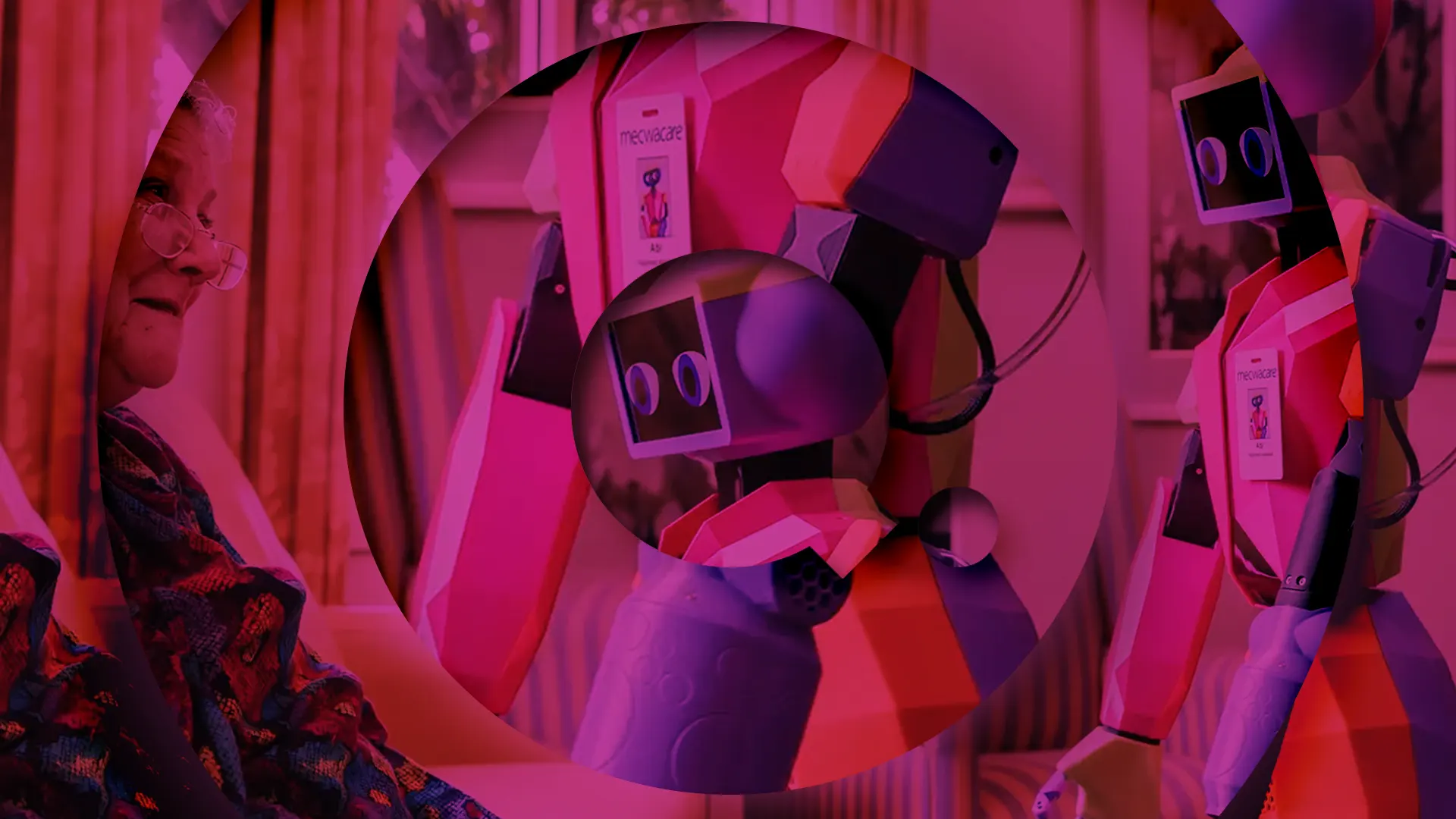
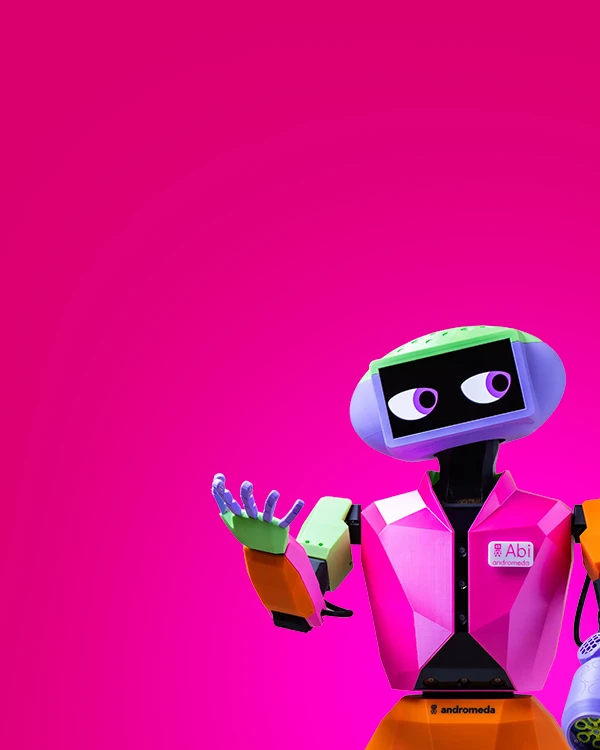
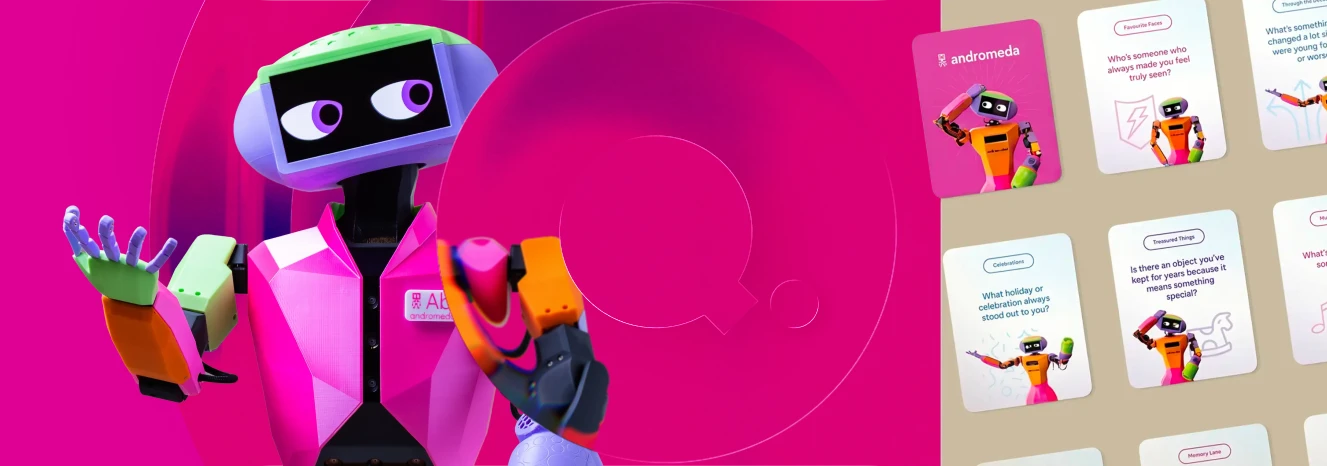
Introducing unfamiliar technology with warmth.

Andromeda needed to introduce Abi, a companion robot for aged care, to people who'd never met one and weren't sure how to respond. We built the first meeting around empathy.

An exhibition stand, banner system and conversation cards gave Abi a warm public introduction and turned curiosity into conversation.

View the Andromeda Robotics case study

Questions about launches and campaigns.

Can Qualls create a campaign within an existing brand?

Yes. We can work inside your existing identity and still give the campaign its own idea, message and look.

Can you produce the campaign as well as develop the idea?

Yes. The scope can run from creative strategy to websites, content, film, motion, presentations, print, outdoor and event materials. We bring in specialist production partners where needed.

When should we involve Qualls?

As early as you can. It gives the strategy, idea, channels and production time to shape each other. If the date is already set, we sort the priorities and work backwards from it.

Start here

Have a date but not yet the idea?
Bring it over.

Start the conversation

Audience & focus groups

Hear it from your audience.

Audience research means asking the people you want to reach what they think before you spend a budget guessing: a focus group, one-to-one interviews or a structured test of a name, a line or a campaign route.

Inside the business, everyone knows the offer, so everything sounds clear. Your audience is busy or unsure. Research shows what they understand on first read and where a message is losing them.

We write neutral questions and report the uncomfortable findings as plainly as the flattering ones. You get verbatim quotes and a clear read on what to change, so there are fewer expensive guesses later.

Open page

Messaging & narrative

The story, in the right order.

Messaging and narrative is the case you make and the order you make it in. Most brands have the parts: a few claims, some features, a reason to care. What they lack is sequence.

A claim with nothing under it reads as noise, so we put the evidence directly beneath each point and cut anything the case doesn't need. You end up with one story your whole team can repeat.

The core message gets settled first, then the supporting points, and we test the order out loud. Settle it early and it won't come back up in design rounds.

Open page

Paid media (SEM)

Maximise your reach.

Paid search puts you in front of people at the moment they're looking for what you sell. The click costs money either way, so the job is making sure it buys intent: the right keywords and ads written for a specific search.

Badly run, paid media is a tax on traffic that never converts. Run well, it's the fastest line between a question and a sale. The ad has to match the landing page, and the page has to match the promise.

We target the searches that signal a buyer, then watch the numbers that matter: cost per lead, conversion rate and return on spend. Budget moves to what works.

Open page

UX & journey mapping

Design with the user in mind.

UX and journey mapping plots the path someone takes from landing on your site to doing what you want them to do: what they need to know, what they're deciding and what gets in the way.

Most sites lose people in the gaps: a confusing menu, a form that asks too much, a service page that buries the answer. Once the journey is clear, the design has a job and the content has an order.

First we name who's visiting and what each of them came to do. Then we map the flows, sketch the key screens and test the path before anything is polished, so every screen has an obvious next step.

Open page

Advertising

Amplify your message.

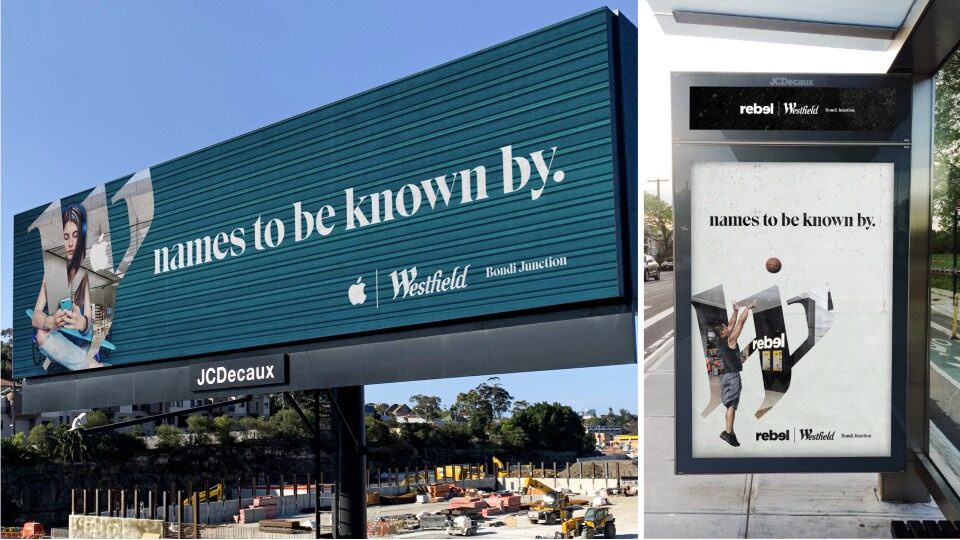
Advertising reaches people who aren't looking for you yet. Usually you have a few seconds: a glance at a screen, a scroll past a feed, a sign read from a moving car. The job is to land one clear idea in that moment.

We work out the one thing the ad needs to make obvious, then build for the conditions: fast-read lines for out-of-home, a reason to click for digital, a considered object for print. The idea stays the same across all of them.

An ad that sends people to a page that doesn't continue the story wastes the spend, so we plan the whole path and keep the campaign and the landing page speaking the same language.

Open page

Copywriting

Words matter.

Good copy says the right thing in as few words as possible: the headline that stops someone, the paragraph that answers their question, the button they're happy to click. Most brand copy says too much and commits to too little.

A clean layout with vague copy still leaves people guessing. Plain, specific language tells someone what you do, why it's worth their time and what to do next.

We work out what you need to say, then cut until only the true part is left. We write in your voice and check it in place, on the page or screen, because copy only works in context.

Open page

Photography & production

Capture the moment.

Photography is how most people meet your brand before they read a word of it. If the images look thrown together, the work behind them looks thrown together too.

We plan the shoot around where the images have to work. Web, social, print and signage each crop differently, so we shoot for all of them and direct on set to get frames you can use.

We art-direct, cast, source locations, shoot and edit, then hand back a tagged, sized library your team will keep using long after the shoot wraps.

Open page

Websites & digital products

Your flagship touchpoint.

Your website is usually the first meeting, where people decide whether you're credible and for them. The portal, booking flow or internal tool around it matters just as much. They're the brand, doing its job every day.

We build fast websites and the digital products that sit alongside them. We shape the content model around how you work, then design and build on top of it, so the site holds up as it grows.

The questions come first: what is this for, who uses it and what do they need to do without thinking? Then we make the important thing easy to find, and build it so your team can keep adding to it.

Open page

UI design

Seamless interaction.

UI design is the layer your customers touch: the screens, buttons, forms and flows of your website, app or product. People give up when a step is confusing or a form asks too much.

The interface is where a brand's promise gets tested. You can say you're easy to deal with, but the booking screen and the quote form are where you prove it.

We design around what people are trying to do: clear hierarchy, honest labels, error states and forms that respect someone's time. Engineering gets tidy specs, and we test the flow on a phone before anyone calls it done.

Open page

Social media

Build your online presence.

Social media is where most people meet your brand between the big moments: the post, the reply, the story someone half-watches on the train. Handled well, it grows an audience that wants to hear from you.

We treat it as content and campaigns. We work out what you have to say that's worth someone's attention, then make it land in a glance, in formats built for each platform. What earns engagement steers the next round.

We can run the channels with you or set up a system your team runs day to day, so the work keeps going after the campaign ends.

Open page

Video & motion

Dynamic storytelling.

Video and motion are how a brand moves: a film that introduces the people behind the work, a logo that resolves with intent, an interface that responds as you use it. Good motion guides the eye and sets a pace.

We start with the message. What's the one thing this clip has to land before someone scrolls past? Then we decide what moves, what holds still and where the cut goes.

That covers brand films cut for a homepage, product moments that show software working and motion built into the identity. Files are sized for where they run, so the work loads fast on a phone.

Open page

Print & graphic design

Leaves an impression.

Print and graphic design is the brand made physical: the brochure left on a desk, the card handed across a table, the report someone reads to the end. It's often the one piece of you a client takes home.

Print has nowhere to hide. A weak hierarchy or an off-brand colour might slide past on screen, but on paper it sits in someone's hand and gets judged.

First we decide what has to land, and in what order. Then the craft: typography that guides the eye, and production specified so the printed piece matches the proof.

Open page