Program

Reposition & Refresh

Keep what earns trust. Change what holds you back.

Brand repositioning summary

Brand repositioning brings the way an organisation is understood back into line with what it's become and where it's going.

We find the equity worth protecting, settle the next position and refresh the message, identity and experience around it, so the brand feels current and still recognisably yours.

Sound familiar?

Reality has moved ahead of perception.

  • The business has outgrown the brand

    The organisation has moved on, but the brand still reflects an earlier version of it.

  • The offer has changed

    New services, audiences or markets have been added and the old story no longer holds them together.

  • Market perception is lagging behind reality

    People know you for one thing, while your most valuable work is now somewhere else.

  • The brand has become inconsistent

    Different teams, channels and suppliers are producing work that doesn't feel connected.

  • A trusted brand needs to modernise carefully

    There's equity in the name and history, but the language, identity or website needs to feel current.

Protect the equity. Rebuild what no longer fits.

Strategy

Brand

Experience

Activation

From what you have to what's next.

01

Audit what exists

We review the brand, message and touchpoints to find what's working and what no longer fits.

02

Define the next position

We decide what the organisation needs to stand for now and which existing strengths should stay visible.

03

Rebuild the expression

We refresh the narrative, identity and key experiences around that choice, from the messaging to the website.

04

Roll it out

We give the team the assets, templates and guidance to introduce the change and use it consistently.

Modernising without erasing trust.

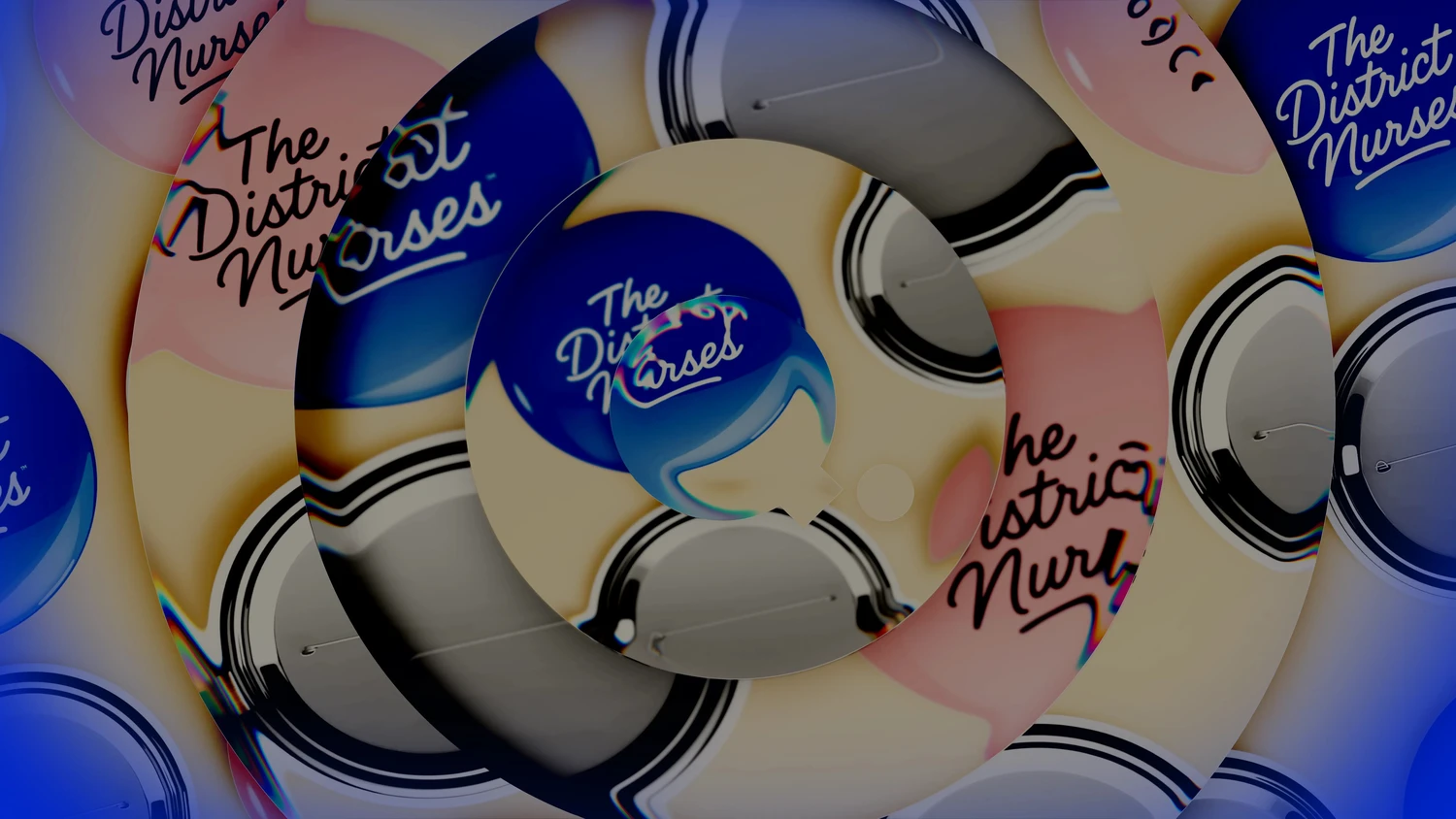
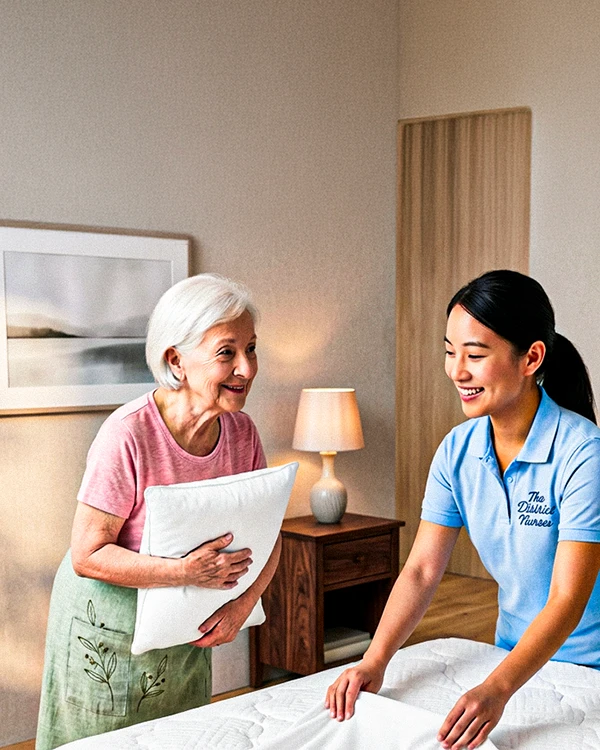
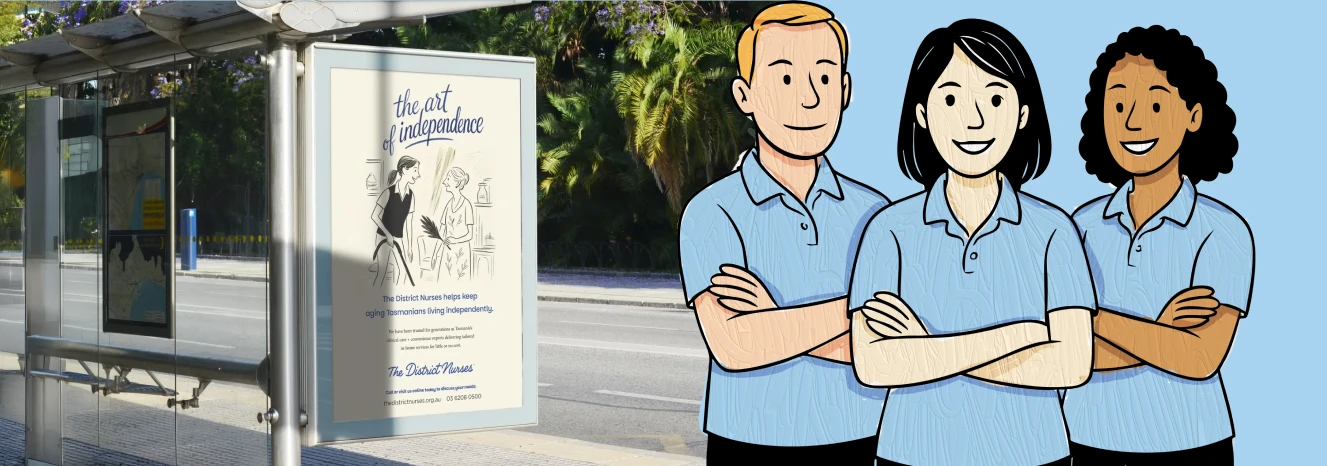
The District Nurses needed to refresh a 130-year-old care brand and its digital presence without losing its history. We clarified the message, modernised the visual system and connected the brand across campaign, print and a new Craft CMS website.

The organisation now has a clearer, more consistent public presence that keeps the warmth and trust of its history.

View The District Nurses case study

Questions about changing an established brand.

What's the difference between a refresh and a rebrand?

A refresh improves or extends what's already there. A rebrand changes how the organisation is positioned or expressed. We decide how far to go after assessing the equity you already have.

Can we keep our existing name or logo?

Yes. We can keep, refine or reinterpret existing elements when they still support the direction.

Can a repositioning include our website?

Yes. The website is often where an outdated position is most visible. A scope can include content strategy, information architecture, design, development and CMS work.

Start here

Has the organisation moved on while the brand stayed behind?
Bring it over.

Start the conversation

Audience & focus groups

Get real insights.

Audience research means asking the people you're trying to reach what they think before you spend a budget guessing: a focus group, one-to-one interviews or a structured test of a name, a line or a campaign route.

Inside the business everyone knows the offer, so everything sounds clear. Your audience is busy and comparing. Research shows what they understand on first read and where a message is losing them.

We write neutral questions, separate what people say from what they do, and report the uncomfortable findings as plainly as the flattering ones. You get the verbatim quotes and a clear read on what to change.

Open page

Brand & digital strategy

The through-line.

Brand and digital strategy is the through-line: who you're for, what you offer and why anyone should choose you over the obvious alternative. Get those right and the website, the campaign and the sales deck stop arguing with each other.

Most brand problems are unsettled strategy showing up late, as a homepage debate or a fifth round of logo options. Skip the thinking and you pay for it twice, in design rounds and rework.

We work it out up front, in plain language, with you in the room. We test the offer against the market and write the positioning down so it can be argued with and agreed. Then it becomes the brief for voice, look, build and media.

Open page

Messaging & narrative

The story, in the right order.

Messaging and narrative is the case you make and the order you make it in. Most brands have the parts: a few claims, some features, a reason to care. What they lack is sequence, so we decide what comes first, what follows and what can wait.

Attention is short and proof is everything, so the evidence goes directly beneath each point and anything the case doesn't need gets cut. You end up with one story your whole team can repeat.

First we get the core message straight, then build the supporting points around it and test the order out loud. Settle it early and it won't come back up in design rounds.

Open page

Brand voice & tone

Your brand's personality.

Brand voice is how you sound when you write anything down: the website, the proposal, the out-of-office reply. Tone is how that voice shifts to suit the moment.

Most of your brand is words, and most of those words are written by whoever answers the phone, sends the quote or drafts the FAQ. Without a shared voice, everyone guesses and the brand sounds like ten different people.

We listen to how you already talk and build on it. We define a few clear principles, show them in before-and-after examples and write the lines you use most. The test: hand it to someone new and watch them sound like you on the first try.

Open page

Branding & identity

Your brand, visualised.

Branding and identity turns who you are into something people can see: a logo, a colour palette, a type system and the rules that hold them together. Done well, it makes you recognisable at a glance, on a sign, a screen or an invoice.

The usual problem isn't how the brand looks. It's that it looks different everywhere. We build identities as systems, so the brand shows up the same way wherever it appears.

Our starting point is what's already true about you. The mark, colours and type are decided together, and we hand them over with rules anyone on your team can follow, so the identity holds up after we leave.

Open page

Photography & production

Capture the moment.

Photography is how most people meet your brand before they read a word: the product shot, the team on the about page, the crowd at the launch. If the images look thrown together, the work behind them does too.

We plan the shoot around where the images have to work. Web, social, print and signage each crop differently, so we shoot for all of them and direct on set to get usable frames. Product, lifestyle, portrait or event, the brief is the same: show the thing clearly.

We art-direct, cast, source locations, shoot and edit, then hand back a tagged, sized library your team can use.

Open page

Brand guidelines

Consistency is key.

Brand guidelines are the rulebook your brand runs on: how the voice sounds, how the logo behaves, which colours go where. The brand should feel the same on the website, in a quote email or in a post written by someone who's never met you.

Most of your brand gets made by other people: staff, freelancers, printers, the new starter in three years. Without a clear reference, each of them guesses and the brand drifts.

We build guidelines to be used: examples over abstract rules, and clear calls on the things people trip over, like tone in a complaint reply or the logo on a busy photo. Short enough that people read it, specific enough to act on without ringing us first.

Open page

Content strategy

Content that drives results.

Content strategy is the plan beneath every word on your site and across your channels: what you say, who you say it to, where it lives and in what order. Without it, content gets written page by page by whoever has time, and the story drifts.

Most of the buying happens in content: a service page, an email, a form. If those are vague or out of order, you lose people.

We work out what you need to say and who needs to hear it, then build the structure to hold it: a content model, a hierarchy and a publishing rhythm your team can keep. You get a system you can run without us.

Open page

UI design

Seamless interaction.

UI design is the layer your customers touch: the screens, buttons, forms and flows of your website, app or product. Most products are abandoned because a step was confusing, a form asked too much or nobody could find what they came for.

You can say you're easy to deal with, but the booking screen and the quote form are where you prove it.

We design around what people are trying to do and the order they do it in: clear hierarchy, honest labels, loading, empty and error states, and forms that respect someone's time. We design at full size with live content and test the flow on a phone before anyone calls it done.

Open page

Web design & development

Design meets function.

Web design and development is where a brand becomes a place people use. The look matters, and so does how fast a page loads and how quickly someone finds what they came for. We build sites that hold up on a phone in poor signal, because that's where most people will meet you.

Design and build are one job here. We design in the browser early, so what you sign off is what ships.

We build on a CMS your team can run, so the site stays current without a developer for every edit. Clear content models, fast pages and clean code make it easy to update and extend as you grow.

Open page

Content management (CMS)

Take control of your content.

A content management system is the part of your brand your team lives in. It decides whether publishing a new project or campaign page takes five minutes or a support ticket. Off-the-shelf setups fall apart once your content has structure: projects, people, services and case studies that appear in more than one place.

We build the content model around how you work. For Seadar, that meant a Projects channel with fields for project type, client, contractor and a repeatable scope list, so every job is captured the way they describe it on site.

Editors can publish, manage assets and preview pages without touching code, while the design system holds the brand together. Craft, WordPress or bespoke: we pick the platform that fits the work.

Open page

UX & journey mapping

Design with the user in mind.

UX and journey mapping plots the path someone takes from first landing to doing what you want them to do: where they arrive, what they need to know and what gets in the way.

Most sites lose people in the gaps: a confusing menu, a form that asks too much, a service page that buries the answer. With the journey mapped, the design has a job and the content has an order.

We name who's visiting and what each of them came to do. Then we map the flows, sketch the key screens in low fidelity and test the path before anything is polished, so there's an obvious next step on every screen.

Open page

Advertising

Amplify your message.

Advertising reaches people who aren't looking for you yet. Usually you have a few seconds: a glance at a screen, a scroll past a feed, a sign read from a moving car. The job is to land one clear idea in that moment, in a way that feels like you.

We start with the message and who it's for, then build for the conditions: fast-read lines for outdoor, a reason to click for digital, a considered object for print. The creative changes per channel; the idea stays put.

An ad that sends people to a page that drops the story wastes the spend, so we plan the whole path and keep the campaign and landing page speaking the same language.

Open page

Social media

Build your online presence.

Social media is where most people meet your brand between the big moments: the post, the reply, the story someone half-watches on the train. Done well, it grows an audience that wants to hear from you.

We treat it as content and campaigns. We work out what you have to say that's worth someone's attention, then make it land in a glance, in formats built for each platform. What earns engagement steers the next round.

The aim is posts that look and sound like you and give people a reason to follow or get in touch. We can run the channels with you or set up a system your team runs day to day.

Open page